
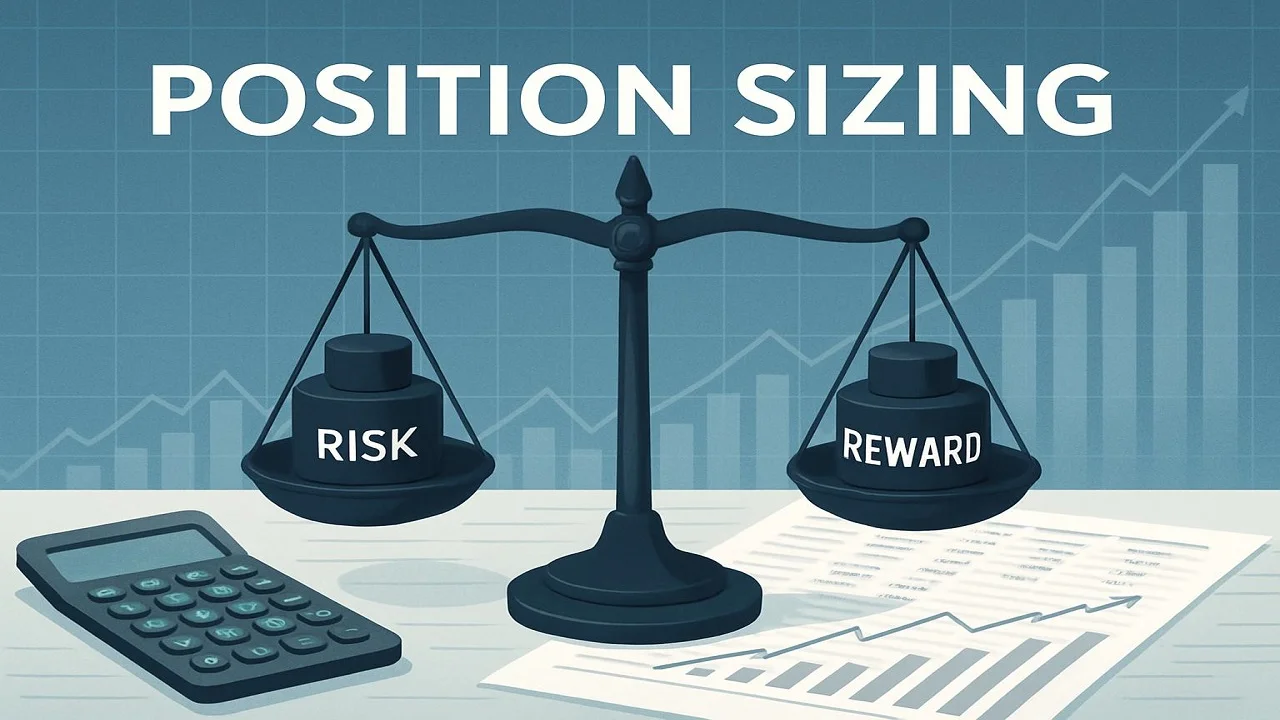
Position sizing is one of the most important concepts in forex risk management, yet many traders overlook it. In simple terms, position sizing determines how much of a currency pair you should trade based on your account size and risk tolerance. It’s not just about choosing the right entry—it’s about choosing the right trade size to protect your capital and grow steadily.
Why Position Sizing Matters
In forex, markets can move quickly and unpredictably. Without proper position sizing, even a good trading strategy can turn into a losing one. Smart position sizing helps you:
- Control risk on every trade
- Avoid blowing your account from a single bad trade
- Stay consistent with your trading plan
- Trade confidently with clear risk parameters
Simply put, the right position size keeps you in the game long enough to benefit from profitable opportunities.
How Position Sizing Works
To calculate position size, traders usually decide how much of their account they’re willing to risk—often 1% to 2% per trade. Then they consider the stop-loss distance and convert that into the appropriate lot size.
Basic Formula:
Position Size = Account Risk ÷ Stop-Loss (in pips × Pip Value)
This ensures that no matter what happens, your loss stays within your comfort zone.
Factors That Affect Position Size
Different traders may use different position sizes depending on:
- Account size
- Risk tolerance
- Volatility of the currency pair
- Trading style (scalping, swing, intraday)
- Market conditions and recent price behavior
A highly volatile pair like GBP/JPY often requires smaller position sizes, while stable pairs like EUR/USD may allow slightly larger ones.
Position Sizing and Psychology
Correct position sizing doesn’t just protect your money—it also protects your emotions. Oversized positions create stress, lead to impulsive decisions, and can sabotage even the best strategy. But when your risk is controlled, you can follow your plan with confidence and clarity.