
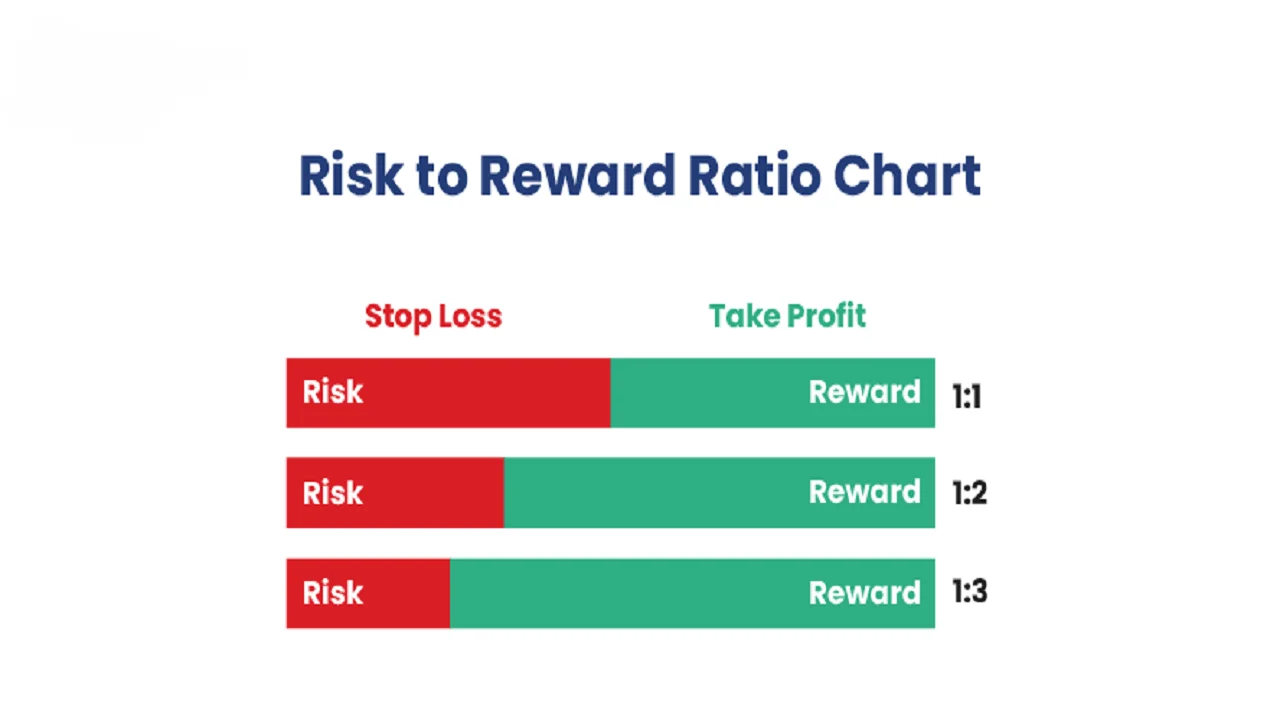
The Risk-to-Reward Ratio measures how much a trader is willing to risk in exchange for potential profit. It compares the difference between your entry price and stop-loss (risk) with the difference between your entry price and take-profit (reward).
For example, a 1:3 ratio means you risk $1 to potentially gain $3.
Why Is the RRR Important?
Many traders focus only on winning trades, but long-term success in forex comes from good risk management. A strong RRR helps you:
- Limit losses during market volatility
- Stay disciplined and avoid emotional decisions
- Maintain profitability even with a lower win rate
- Build consistency through planned trade setups
With a favorable RRR, even if you win only 40% of your trades, you can still end up profitable.
How to Choose the Right Ratio
There is no one-size-fits-all ratio, but most successful traders aim for at least 1:2 or 1:3. This ensures that a single winning trade can cover multiple losing trades.
Factors that influence your ideal RRR include:
- Market conditions
- Trading style (scalping, day trading, swing trading)
- Currency pair volatility
- Trend strength and support-resistance levels
Risk-to-Reward Examples
- 1:1 Ratio → Balanced risk and reward
- 1:2 Ratio → Safer and more sustainable
- 1:3 Ratio or higher → Strong edge for long-term profitability
The higher the reward relative to the risk, the fewer winning trades you need to stay profitable.